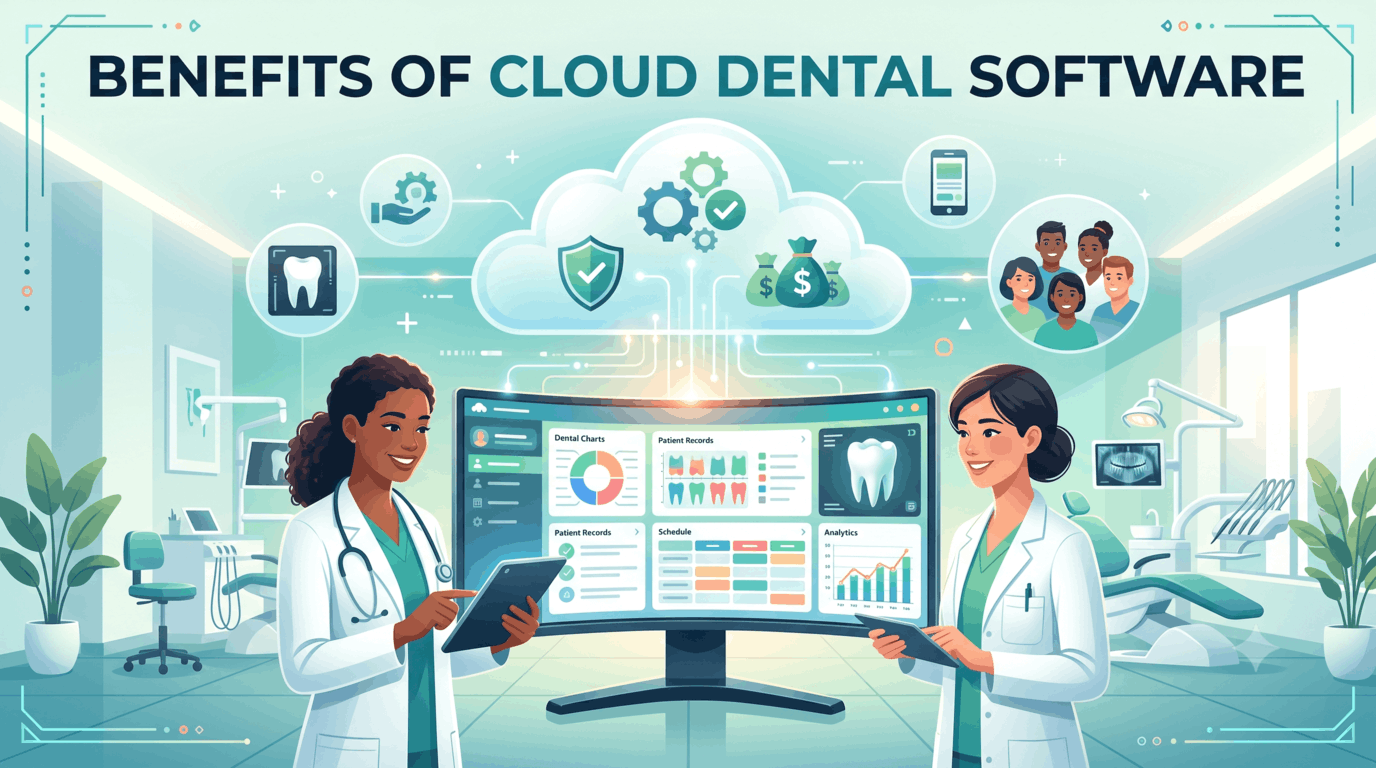
The Benefits of Cloud Dental Software: What Clinics Feel in the First Month
Cloud dental software is not just easier IT. It improves access, updates, reporting, teamwork, multi-branch control and the speed of everyday clinic decisions.
PDental Blog
العربيةPractical guides on the operational side of dentistry — scheduling, insurance, compliance, inventory and growth — written for clinic owners and practice managers.
Cloud dental software is not just easier IT. It improves access, updates, reporting, teamwork, multi-branch control and the speed of everyday clinic decisions.
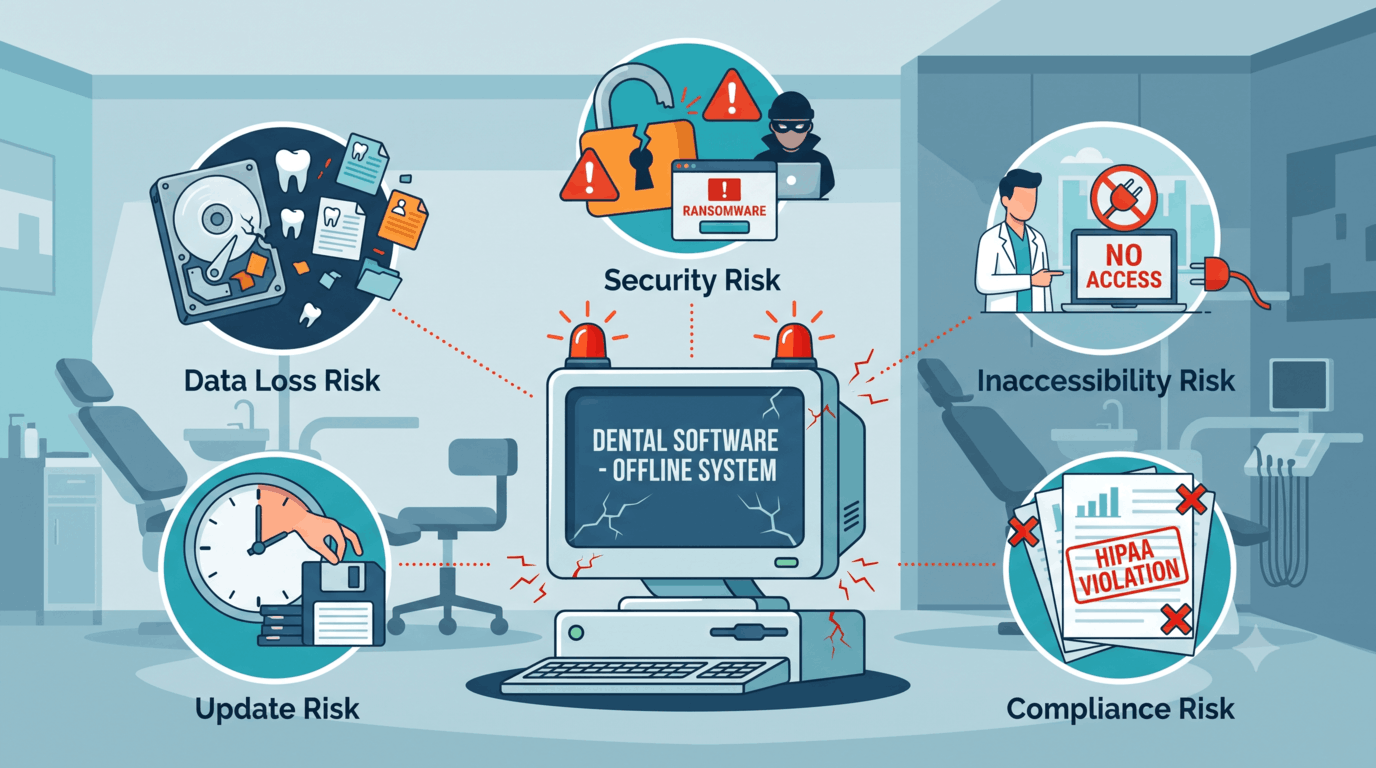
Offline dental software can feel safe because it sits inside the clinic. The risks appear later: backups, updates, remote access, branch silos, reporting delays and recovery problems.
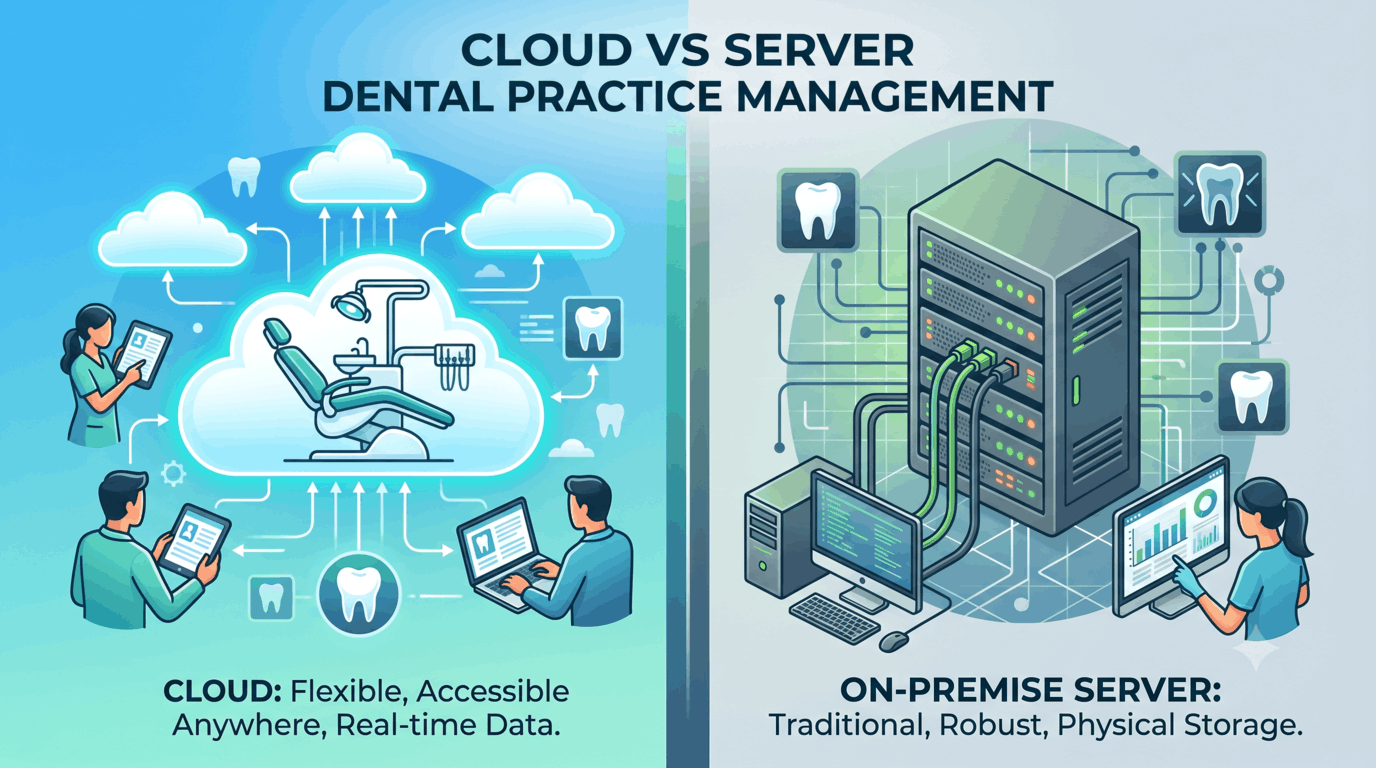
Cloud is not only an IT preference. For dental groups, it changes updates, backups, remote access, reporting and how quickly the team can standardise work.
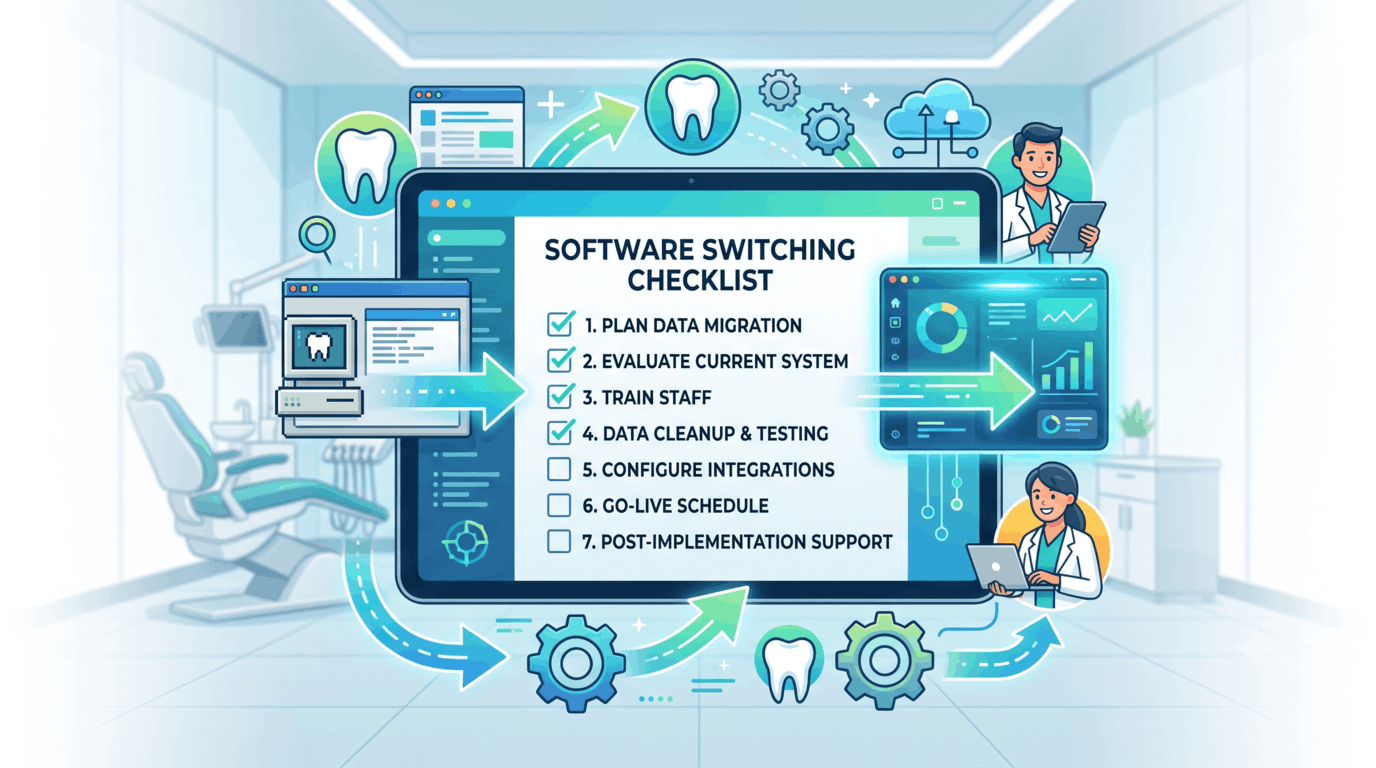
A dental software switch succeeds before go-live. Define the goal, map the data, test billing, train by role and keep a tight first-month review.
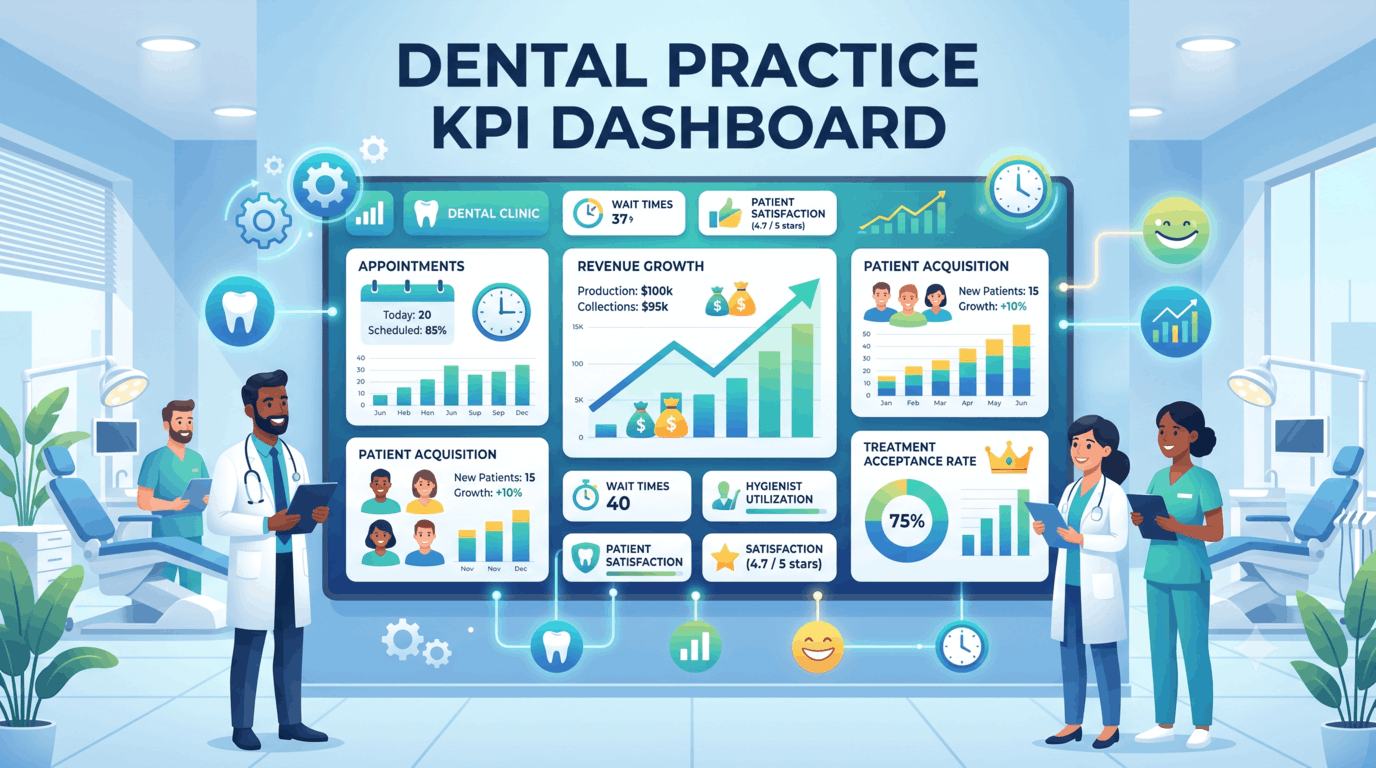
The useful clinic dashboard is a decision system: schedule pressure, collections, treatment acceptance, recall, doctor productivity, stock and lab delays in time to act.
AI in dentistry depends on clean patient data, structured notes, connected imaging and clear governance. Otherwise it becomes one more disconnected tool.
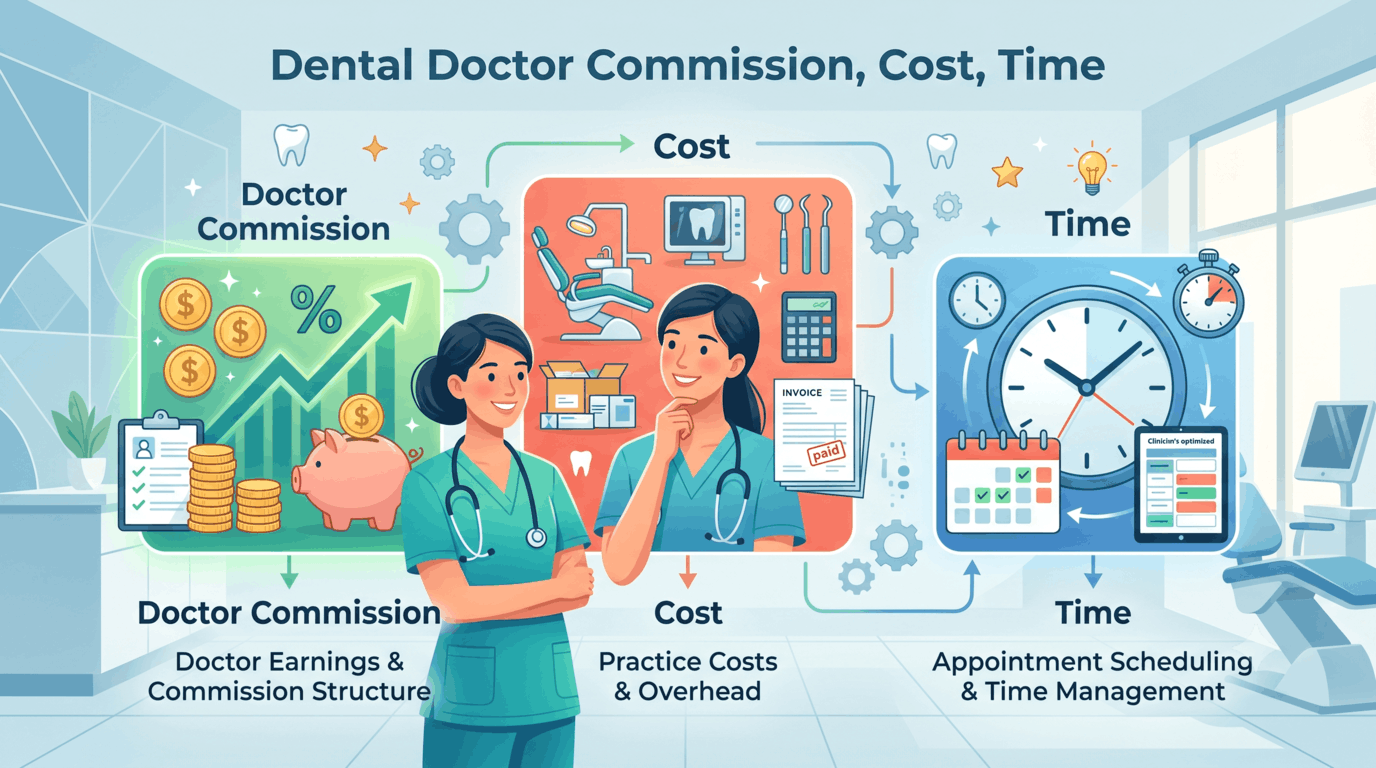
A revenue share looks like a simple number until you divide it by chair time. How to work out what each arrangement really costs, and why the highest-producing doctor is not always the most profitable.
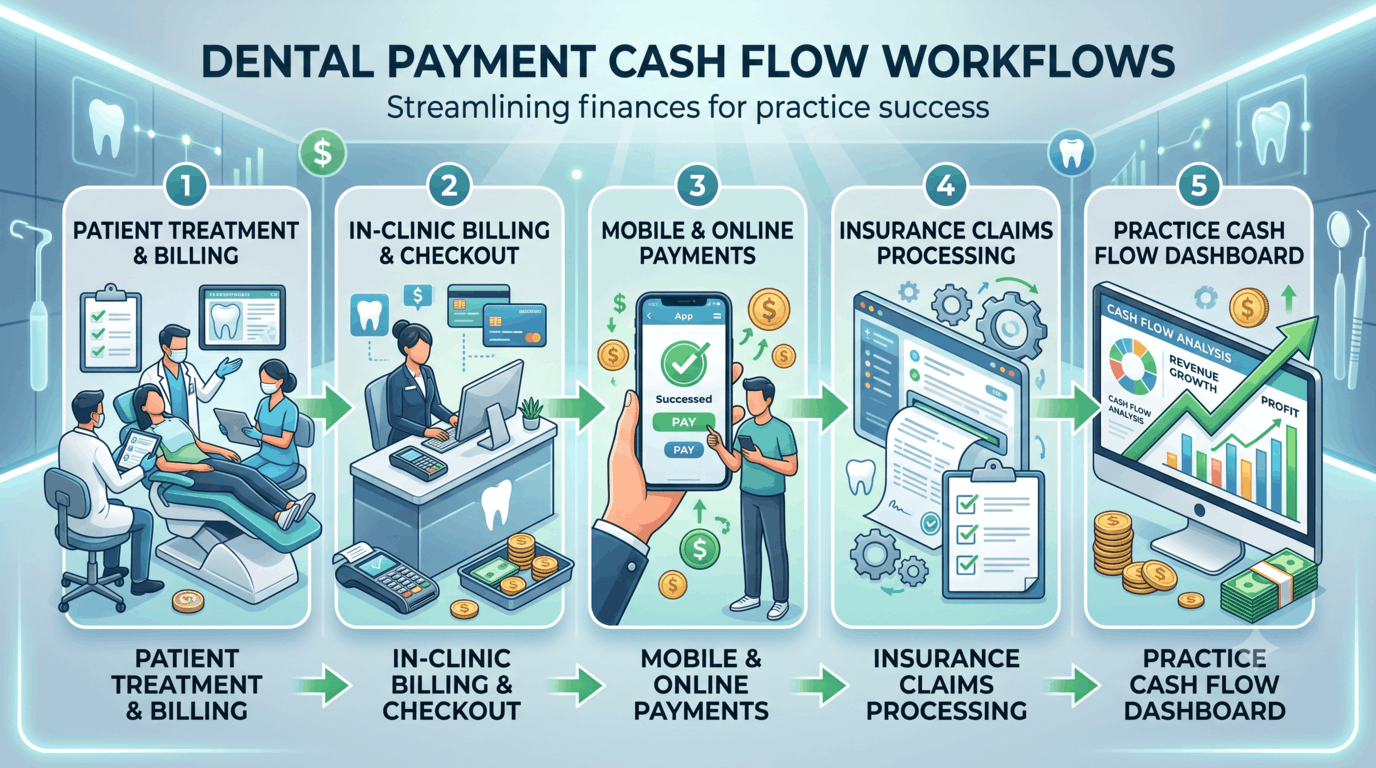
A full schedule can still leave the clinic short on cash if payments are slow, balances age and reconciliation depends on manual follow-up. Here's how to tighten the workflow.
Patients judge the whole journey: booking, reminders, waiting, explanations, payment and follow-up. Improving experience starts with fixing the handoffs.
Most clinics measure bookings. The number that actually predicts revenue is how much of your available chair time you sell. Here's how to measure it honestly and where the recoverable capacity hides.
Points and rewards are easy to launch and hard to justify. What actually changes patient behaviour, how to credit a referral properly, and how to prove the programme pays before you expand it.
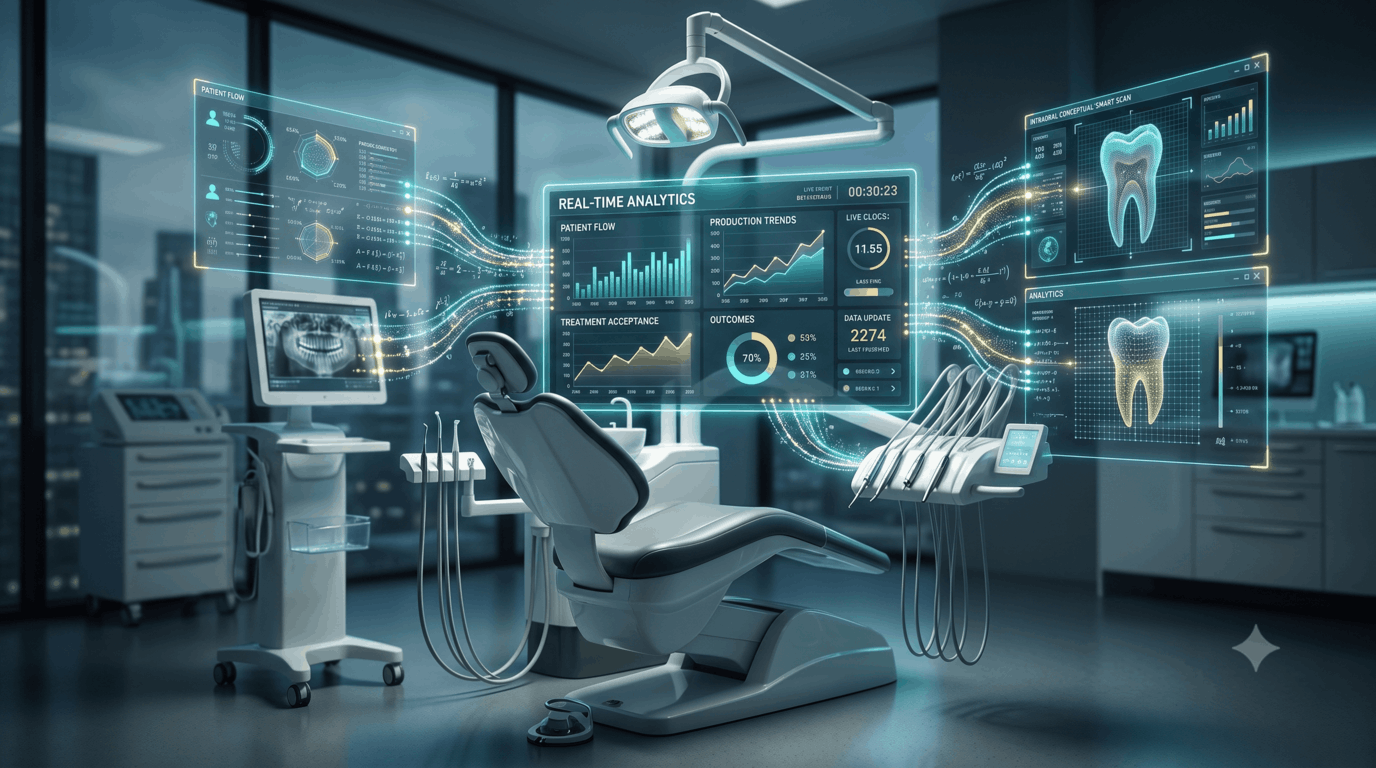
Waiting for monthly accounting statements means managing your dental clinic in the rearview mirror. Real-time analytics let practice owners fix schedule leaks, boost chair yield, and safeguard cash flow today.
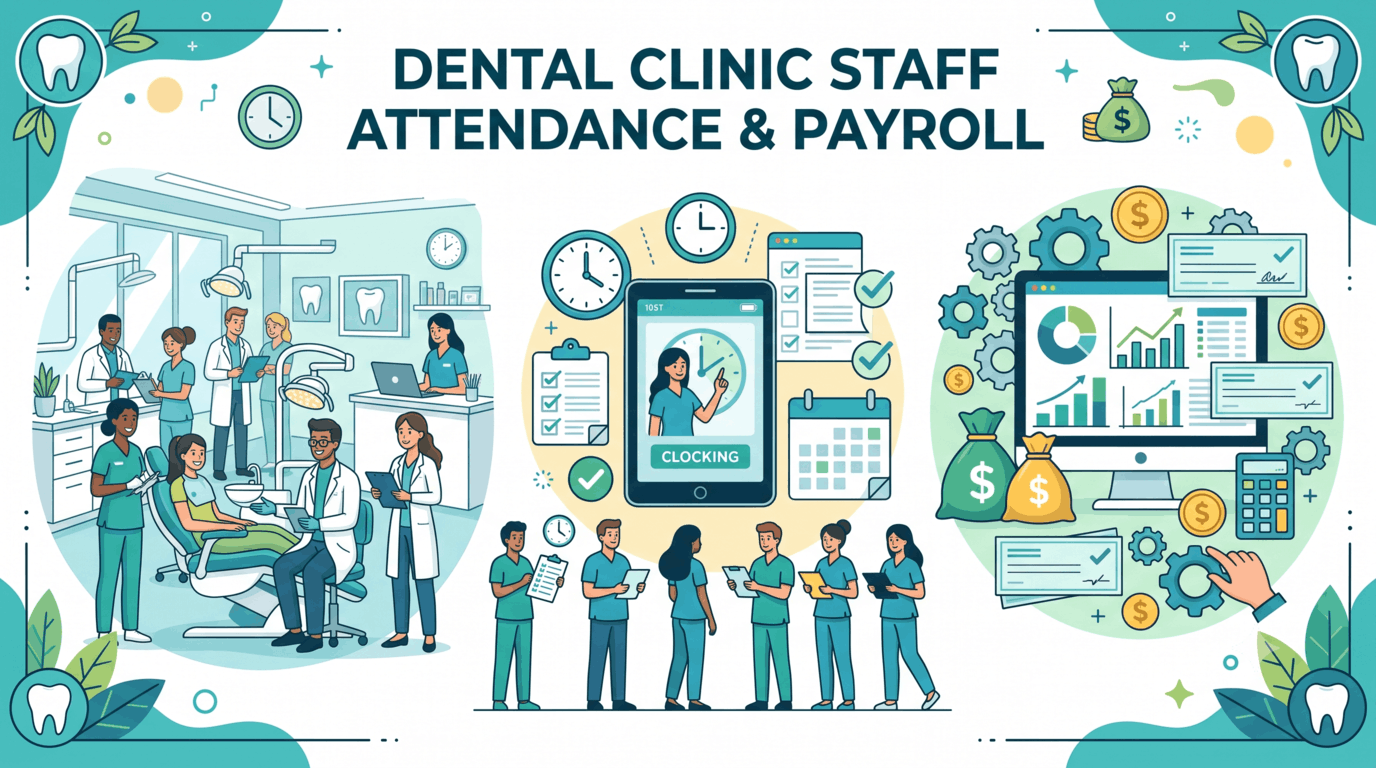
Most payroll disputes in a clinic are not payroll problems — they are attendance record problems. What to capture, why shift coverage is the number owners miss, and how to make month-end boring.
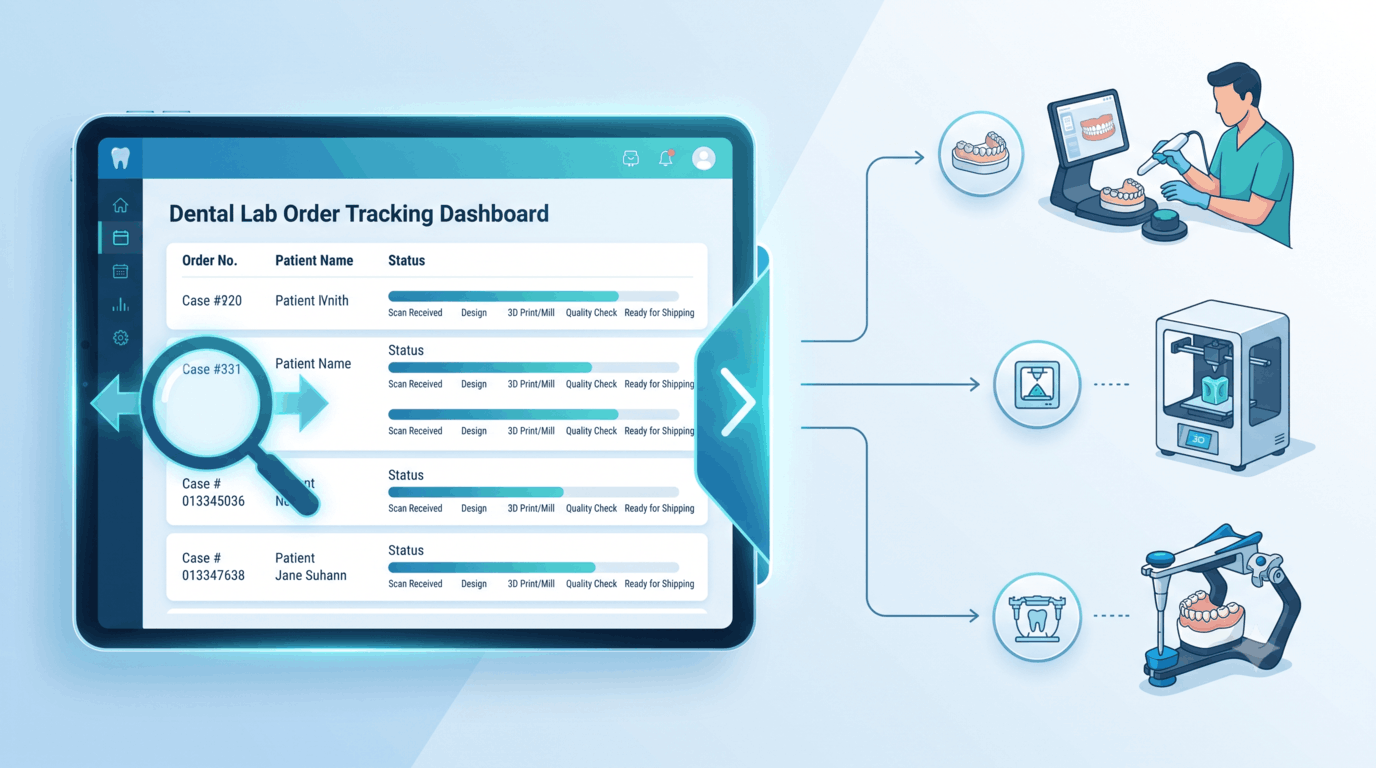
Lab delay is a patient-facing failure that looks like clinical disorganisation. How to track turnaround, treat remakes as a quality signal, and choose between labs on data instead of habit.
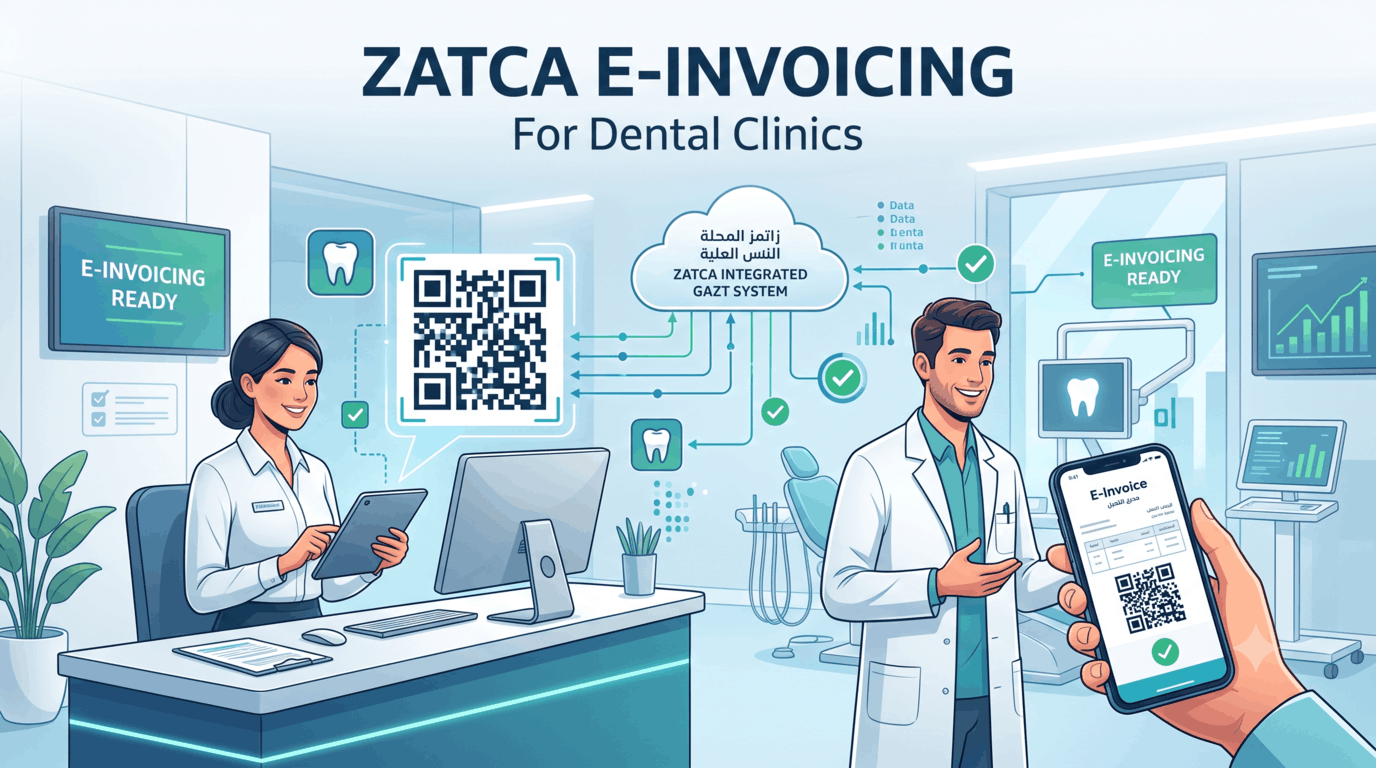
Phase 2 turns invoicing from a printing task into a systems integration. Here's what changes for a dental clinic, the difference between patient and insurer invoices, and what to check before your wave arrives.
Managing a dental team without objective metrics leads to favoritism, missed revenue targets, and operational friction. Discover the core KPIs for doctors, reception, and billing staff.
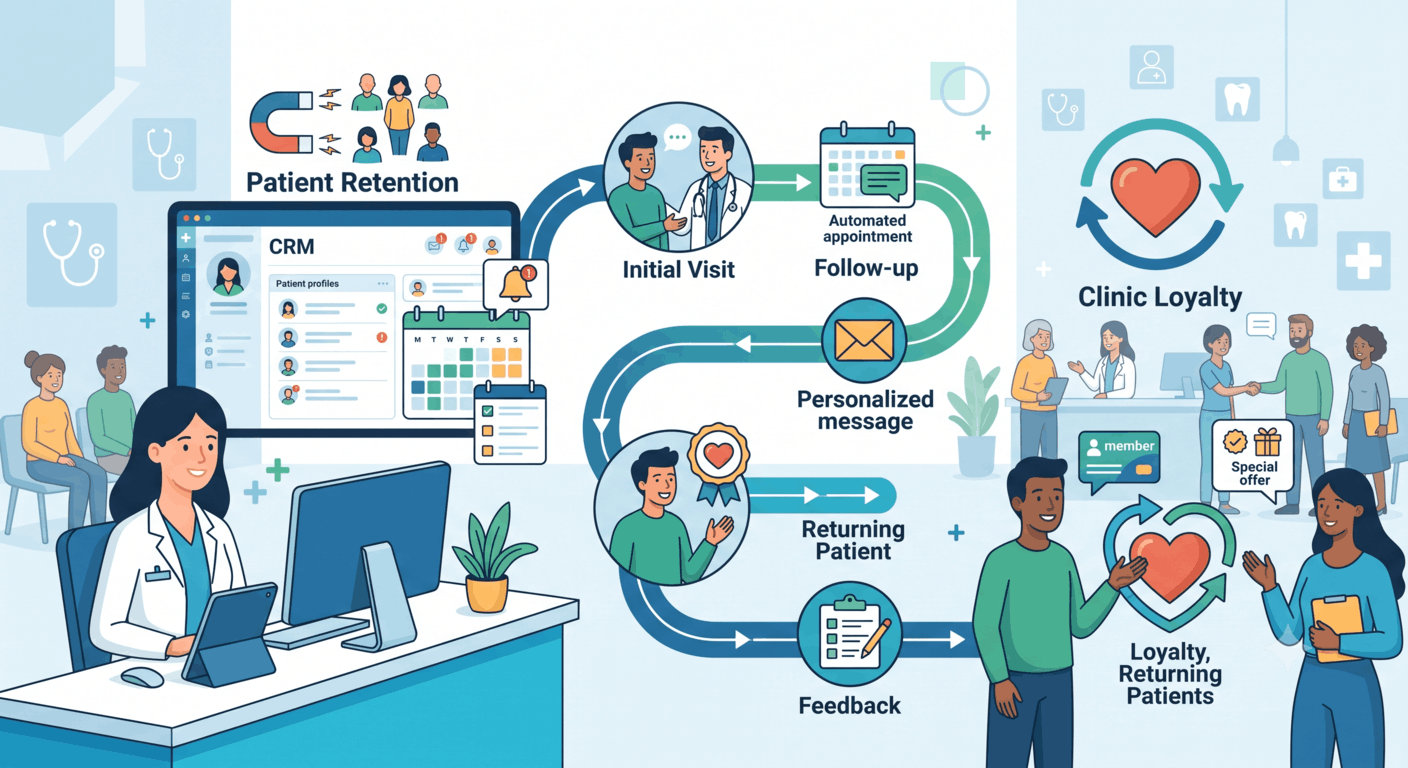
Acquiring a new dental patient costs 5x more than retaining an existing one. Learn how a built-in CRM automates recall, identifies churn risks, and drives long-term clinic revenue.
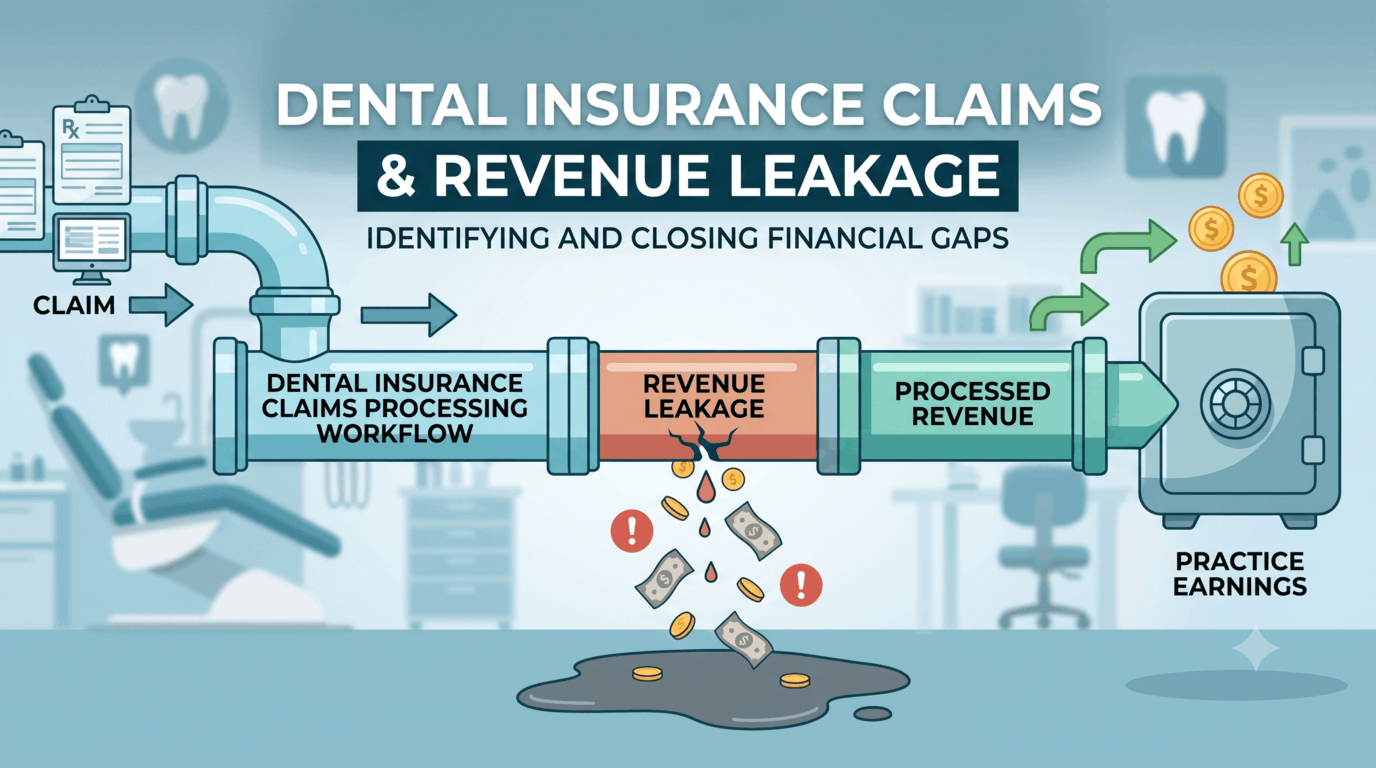
Most insurance losses are not rejections. They are approvals that expired, procedures nobody claimed, limits nobody checked and claims nobody chased. Here is how to find each one in your own numbers.
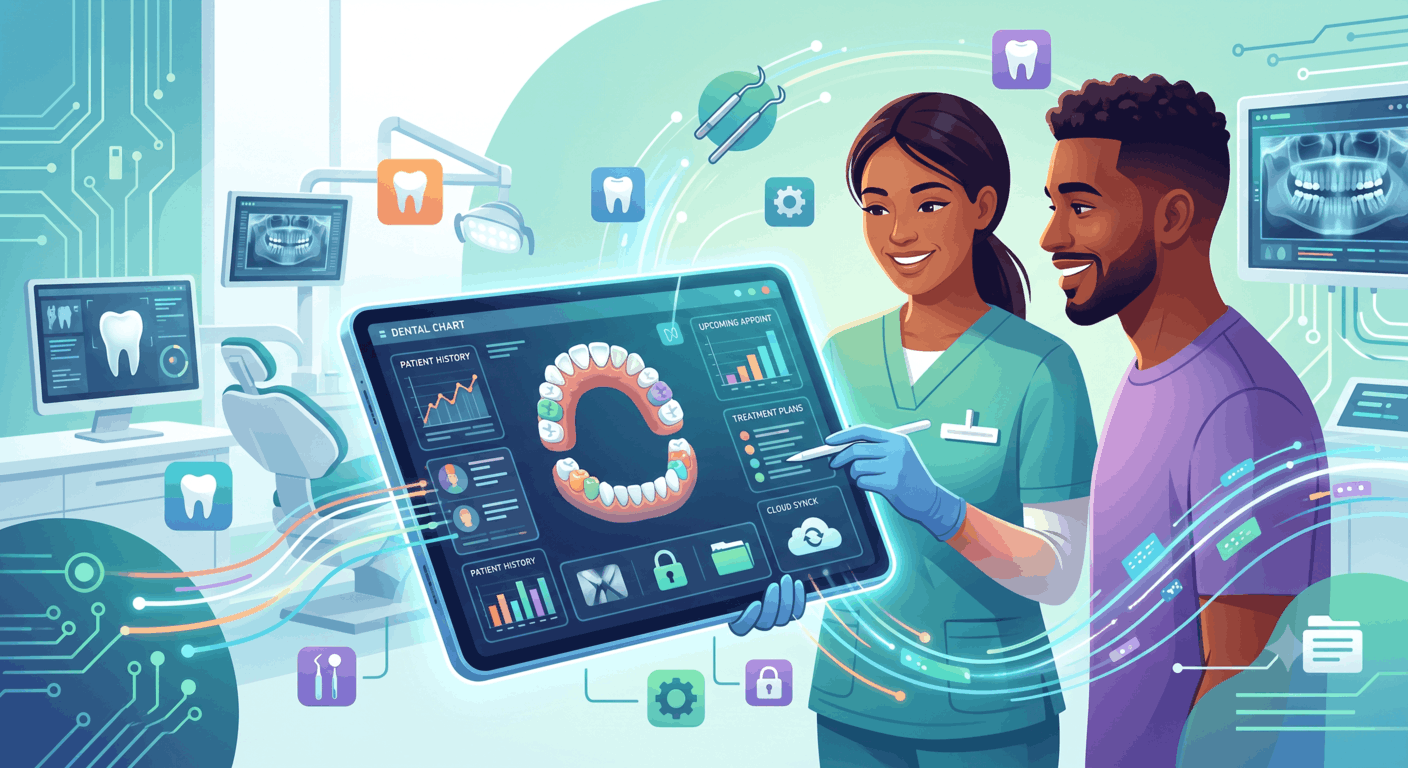
A split patient record is a clinical risk, not just an admin annoyance. What a complete dental record contains, what duplicate files quietly break, and how to judge a system before you migrate.
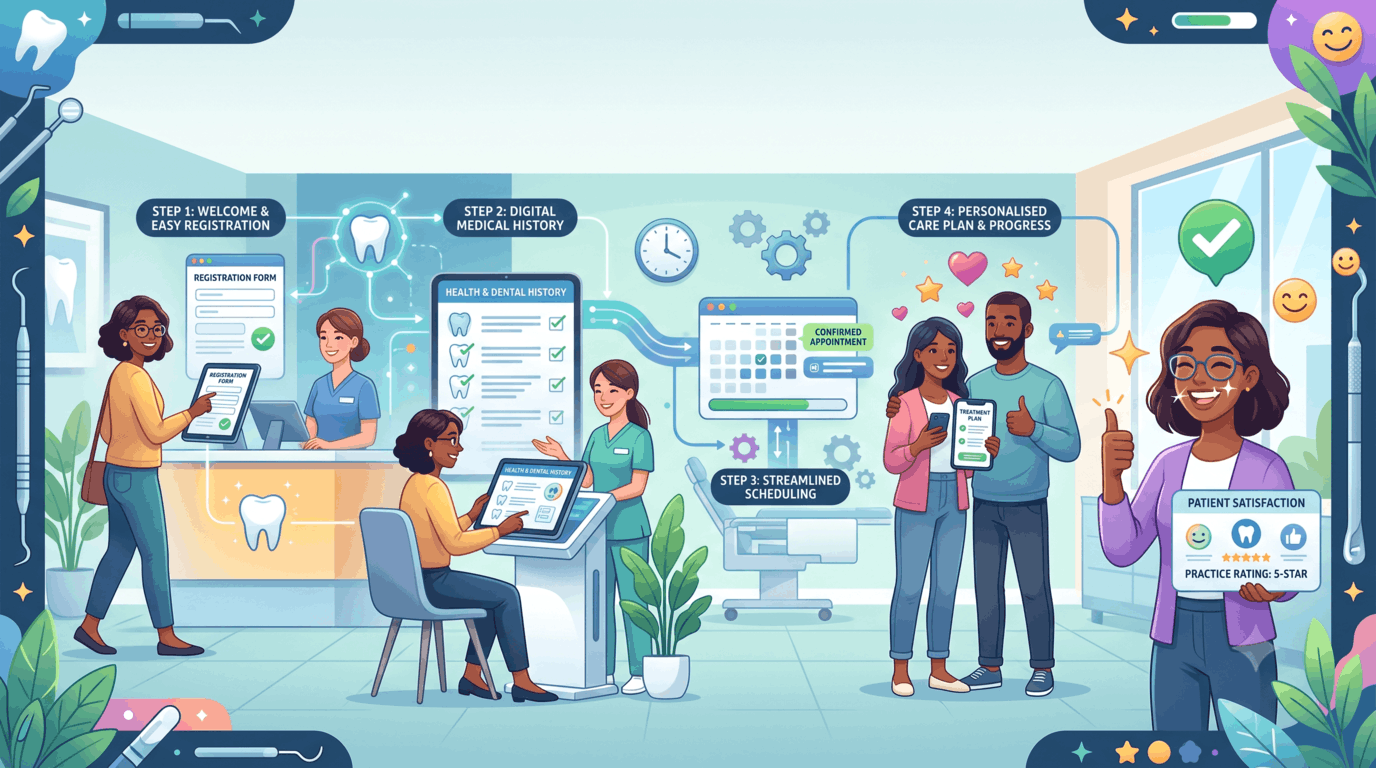
The first 72 hours set the tone for the entire patient lifecycle. Discover how PDental's integrated CRM automates lead conversion, digital onboarding, pre-registration, and post-visit welcome.
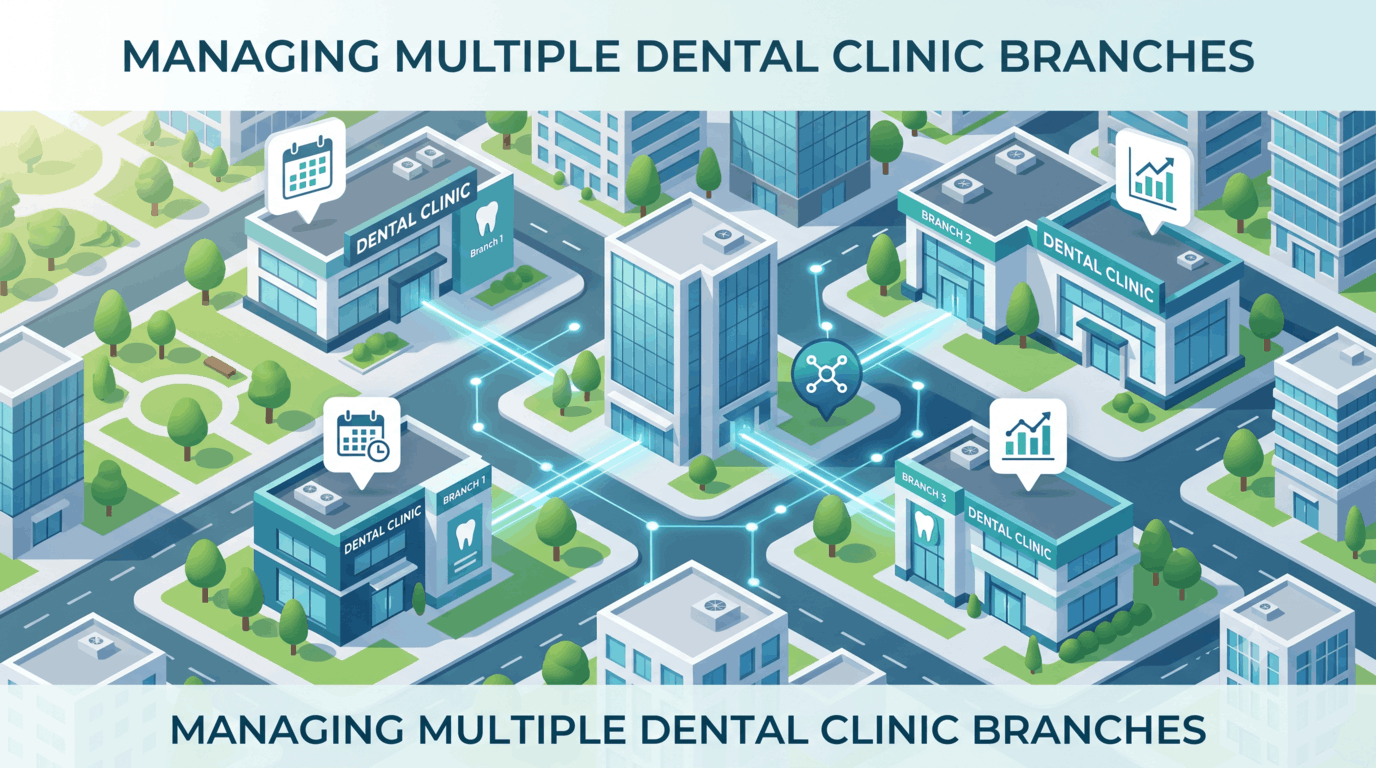
A second location does not double the work of running one — it changes the job entirely. Here is what breaks first, and the eight metrics that keep a multi-branch dental group manageable.
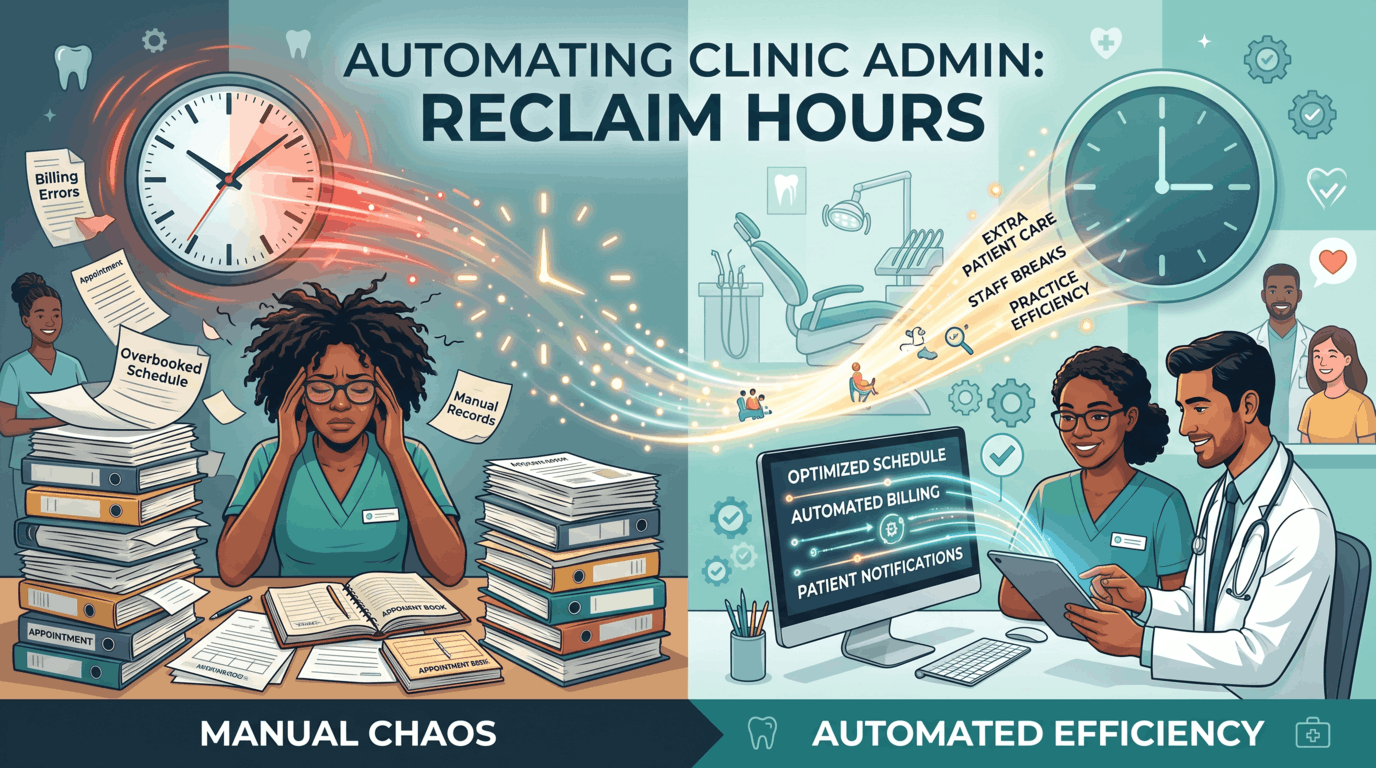
Manual reception tasks, paper intake forms, phone reminders, and billing re-entry drain hours from your dental team every single day. Here is how clinic automation reclaims 10+ hours a week.
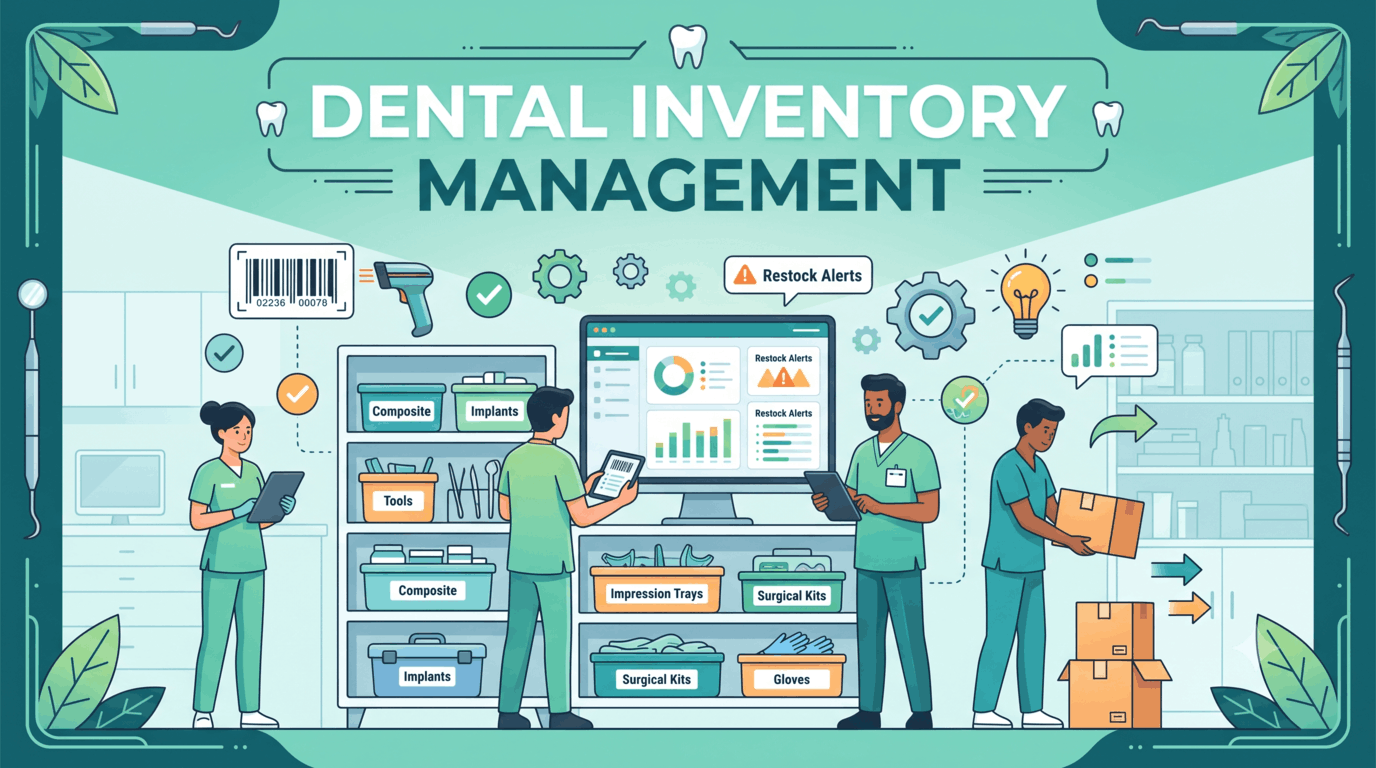
Stock fails two ways — running out mid-procedure, and writing off material that expired. They have different causes and different fixes. Here's how to tell which one is costing you.
Running out of composite shades, implant components, or PPE mid-procedure is a clinical failure. Learn how dynamic minimum reorder points and automated usage tracking eliminate stockouts.
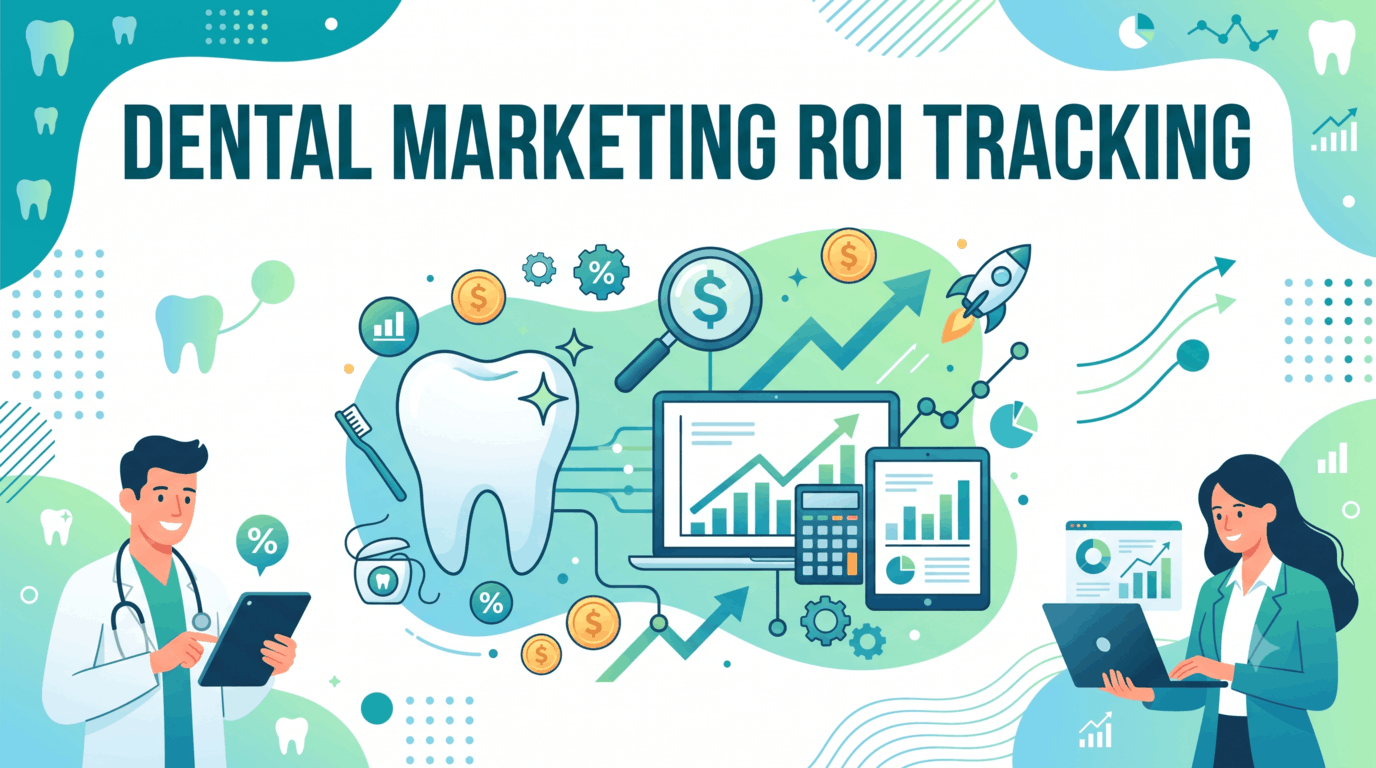
Dental marketing is usually measured where the money is spent, not where it lands. How to connect ad spend to booked, attended and paid treatment — and when to cut a campaign.
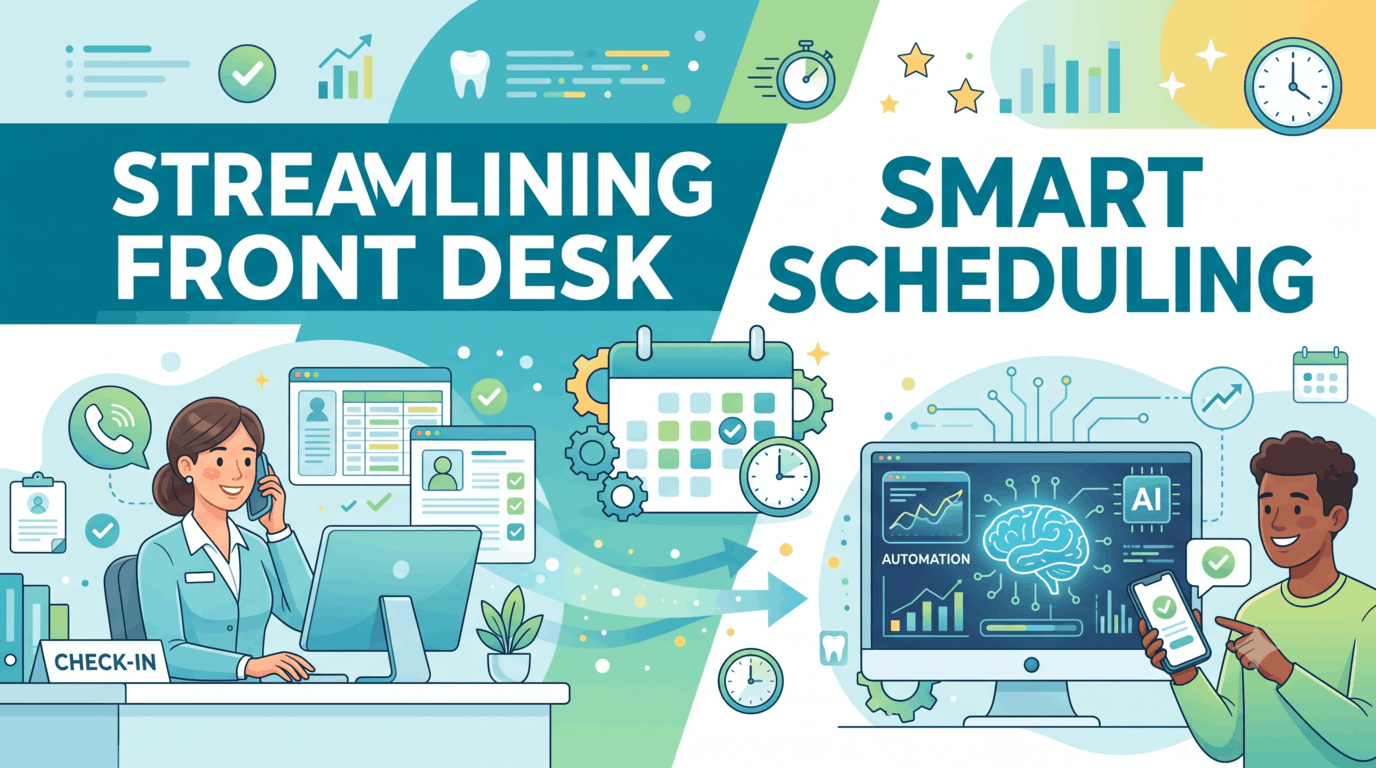
Long waiting room delays are the primary cause of negative patient reviews. Discover how smart appointment buffering, pre-visit check-ins, and capacity rules slash wait times and streamline reception.
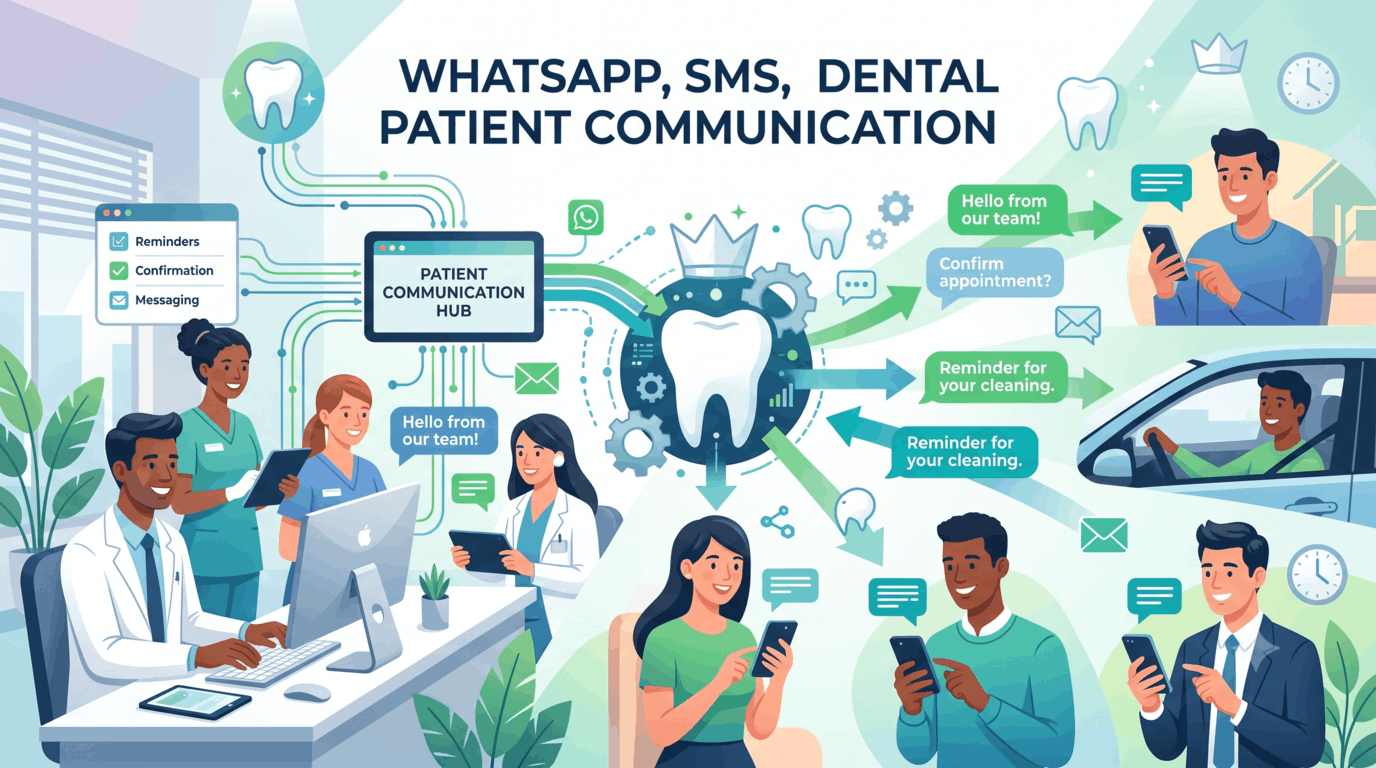
Channel choice is an operational decision with measurable consequences, not a preference. When WhatsApp wins, when SMS is the right fallback, and why a delivery log settles arguments.
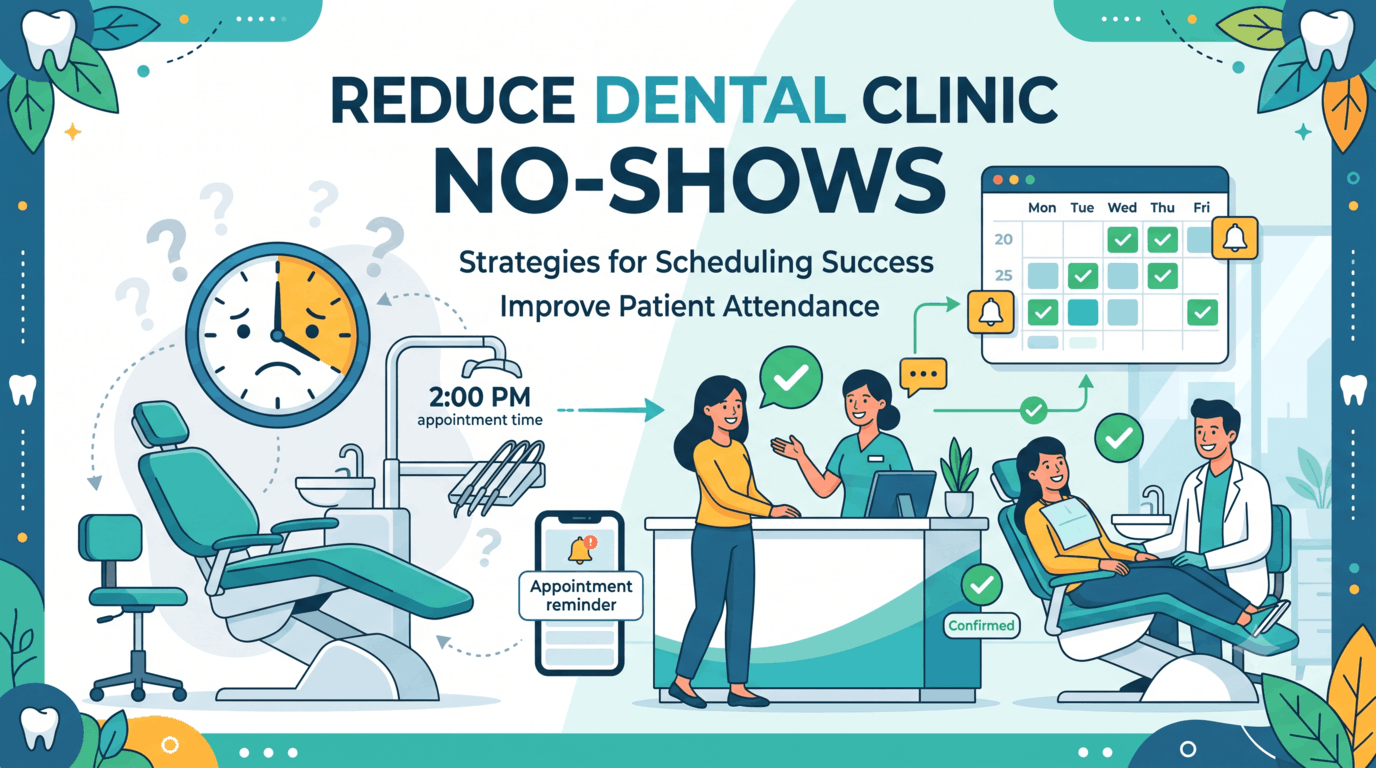
Empty chair time is the most expensive problem in a clinic that looks healthy on paper. Why it happens, five operational changes that recover it, and how to measure whether any of them worked.
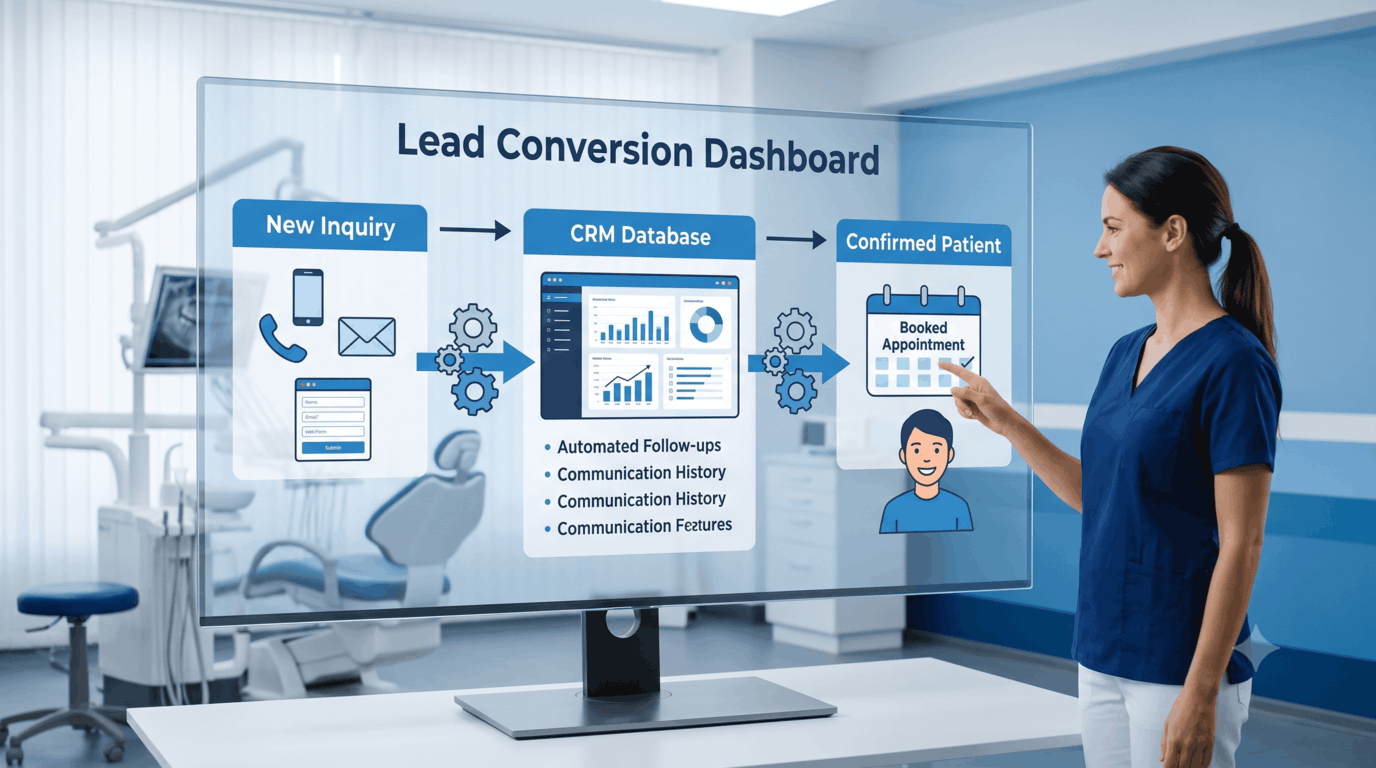
Most clinics generate more enquiries than they convert, and blame the marketing. The real loss happens after the enquiry arrives, in the gap between interest and a booked appointment.
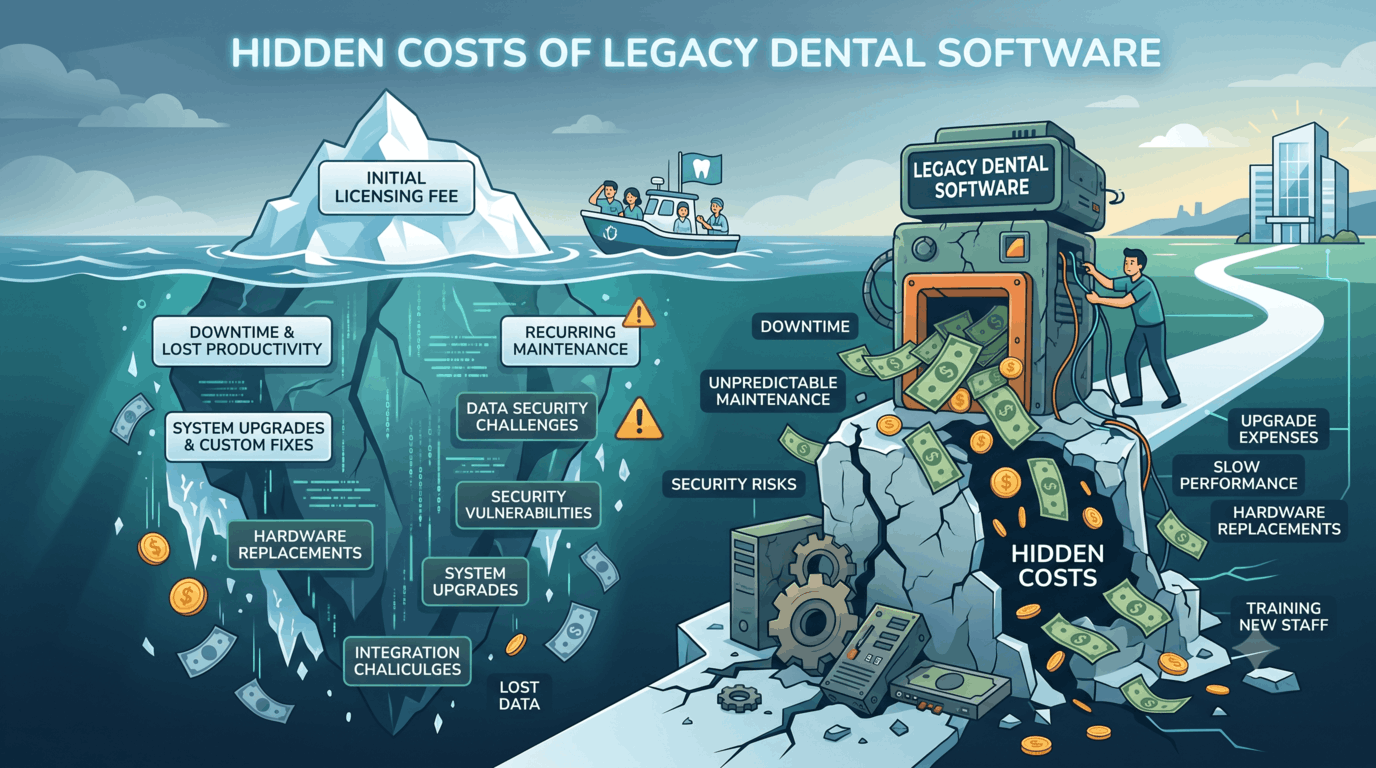
Legacy desktop dental software looks cheap until you tally server maintenance, IT retainers, manual backups, data vulnerability, and multi-branch isolation. Here is the true cost breakdown.
Data security in healthcare is both a legal mandate and a trust prerequisite. Discover how PDental uses TLS 1.3, AES-256 encryption, RBAC permissions, and audit logs to safeguard patient records.
Most clinic websites generate enquiries, not appointments. The difference is whether the booking lands in your calendar or in an inbox someone copies from — and that gap is where patients are lost.