
Chair Utilisation: Why a Full Diary Can Still Be a Half-Sold Clinic
Most clinics measure bookings. The number that actually predicts revenue is how much of your available chair time you sell. Here's how to measure it honestly and where the recoverable capacity hides.
Published
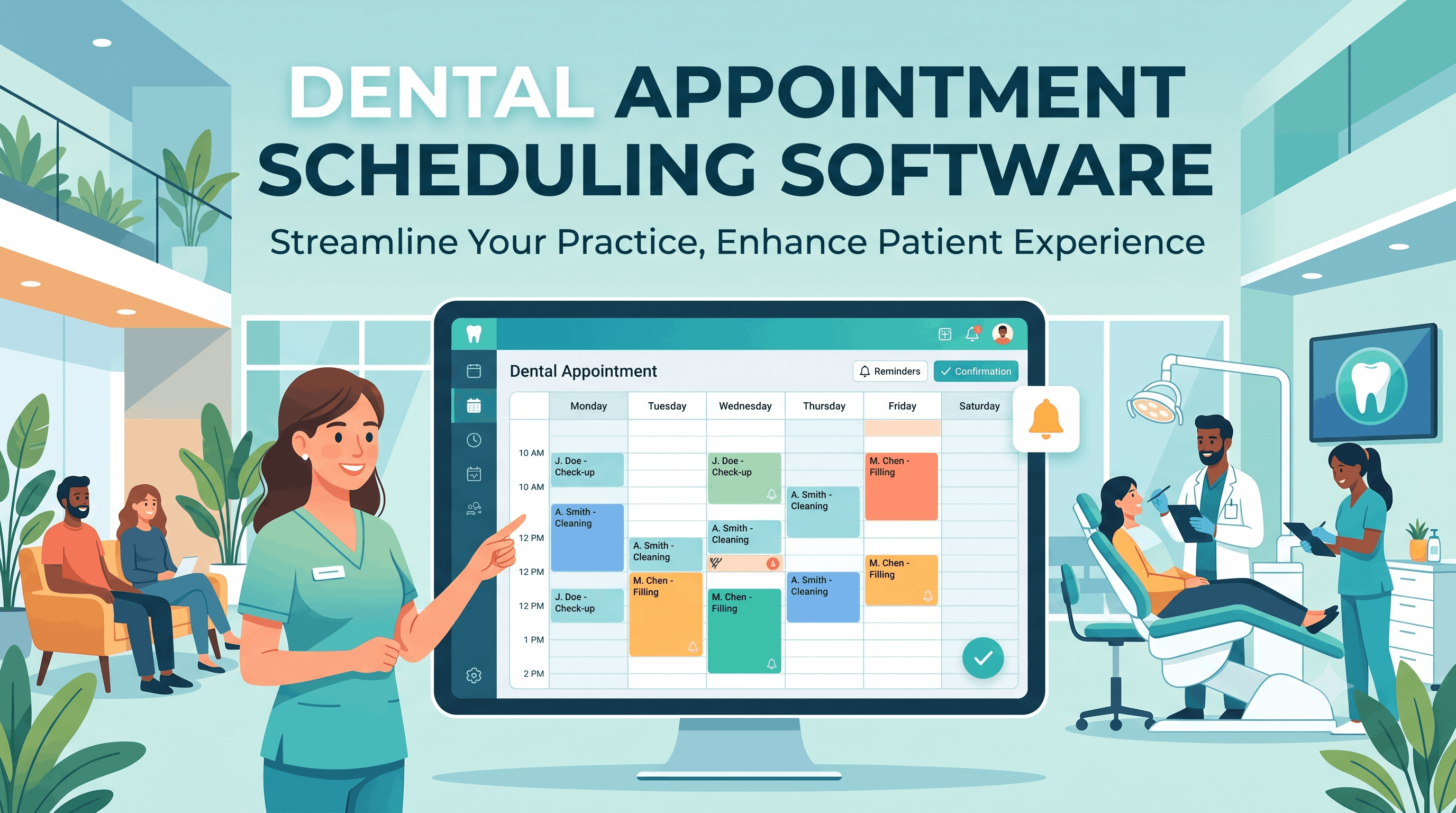
Most clinics track appointments booked. It is the number the front desk can see, and a full-looking diary feels like a good day.
But bookings are an activity measure, not a capacity measure. A clinic can be fully booked and still be selling barely half the chair time it pays for — because the diary counts appointments, and the business runs on hours.
The number that predicts revenue is chair utilisation: the share of your available clinical hours that were actually delivered as treatment.
Measuring it honestly
The calculation is simple. The discipline is in the denominator.
Delivered clinical hours ÷ available staffed chair hours
Available means the chair was open and someone was paid to be there. That includes the hour before lunch nobody books, the Thursday afternoon that is quiet, and the second chair that sits idle while one dentist runs behind. If you exclude those because "nobody books then anyway", you have measured how well you fill the slots you already fill — which tells you nothing you did not know.
Run it once, per chair and per doctor, for a full month. Most owners are surprised, and the surprise is usually concentrated in one or two places rather than spread evenly.
Standardise before you compare
Before any of this is meaningful, appointment types need consistent durations.
If one dentist books a hygiene visit as 30 minutes and another as 45, their utilisation figures are not comparable — one looks more efficient purely because their slots are shorter. The same applies across branches, where informal local habits drift apart within a year.
This is unglamorous work and it is the prerequisite for everything else. Agree what each appointment type is, how long it takes, and which room or chair it needs. Then measure.
Where the recoverable capacity actually hides
The gap that is too short to sell
A 20-minute hole between two 45-minute appointments is invisible in a diary view and unsellable by phone, because nobody knows it exists until someone looks. Across four chairs and five days that is several hours a week of capacity that was staffed and never sold.
This is what a waiting list is for — but only if it is attached to the schedule, so the gap and the patients who wanted an earlier slot appear in the same place.
The appointment that always overruns
Some procedures are consistently booked shorter than they take. The schedule then absorbs the overrun by delaying everything after it, which reads to patients as a clinic that runs late and to your team as a chaotic day.
Duration reporting shows you which treatment types are systematically mis-estimated. Fixing the booking length is a five-minute configuration change that removes a recurring daily problem.
Peak hours you have not staffed for
Demand is not evenly distributed. If most patients want early-morning or post-work slots, and your staffing is flat across the day, you have simultaneous over- and under-capacity: turning people away at five while a chair sits empty at eleven.
Peak-hour analysis tells you whether the answer is more chairs or different shifts — and those are very different investments.
The no-show that was never refilled
A cancellation 18 hours out is recoverable. The same cancellation discovered at the start of the appointment is not. See cutting no-shows for the reminder side; the scheduling side is having somewhere to look when the slot frees up.
What a booking-count view misses
| Appointments booked | Chair utilisation | |
|---|---|---|
| Answers | Are we busy? | Are we selling our capacity? |
| A full diary | Looks like success | May still be 60% sold |
| Short gaps | Invisible | Counted as unsold |
| Overruns | Look like demand | Show as mis-estimated durations |
| Adding a chair | Always looks justified | Only if existing chairs are near full |
| Guides | Nothing in particular | Staffing, hours, pricing, expansion |
The last row is the practical point. Utilisation is the number that tells you whether you have a capacity problem or a demand problem — and clinics routinely spend on the wrong one. Buying a fourth chair when the existing three run at 55% is an expensive way to make the ratio worse.
How PDental handles it
PDental's calendar is built around chairs and rooms rather than a single practitioner diary, so multi-chair days are represented the way they actually run — per doctor, per room, with recurring visits and treatment-linked bookings attached to the patient record rather than typed in again.
For measurement, the reporting is specific rather than a single "appointments" report: room utilisation, doctor schedule utilisation, appointment duration, peak hours and appointment cancellations. That combination is what lets you separate the four problems above from each other, which is the part a general booking report cannot do.
Two-way Google Calendar sync keeps clinicians' personal diaries current without anyone maintaining two calendars — the small operational detail that determines whether a scheduling system is actually adopted or quietly worked around.
Where to start
Measure utilisation per chair for one month before changing anything. Then look at which of the four leaks dominates — short gaps, overruns, peak mismatch, or unrefilled cancellations. Almost every clinic has one that is much larger than the others, and it is rarely the one people assumed.
Fix that one, then measure again. A clinic that moves utilisation up a few points has effectively added capacity without adding rent, staff or a chair.
Frequently asked questions
What is chair utilisation and how is it calculated?
It is the share of your available clinical hours that were actually sold as treatment. Take the hours each chair was staffed and open, and divide the hours that were delivered and billable by that figure. The important discipline is that the denominator is capacity you paid for, not capacity you happened to book.
What is a good chair utilisation rate for a dental clinic?
Rather than chase a published benchmark, measure your own for a month and improve against it. The useful target depends on your treatment mix, since a clinic doing long restorative cases fills differently from one doing high-volume hygiene. Your own trend, segmented by chair and by doctor, tells you far more than an industry average.
Why must appointment durations be standardised before comparing anything?
Because utilisation is a ratio, and if one doctor books a hygiene visit as 30 minutes and another as 45, their utilisation figures are measuring different things. Standardising how appointment types are defined is a prerequisite for comparison — otherwise you will draw confident conclusions from numbers that were never comparable.
Should we double-book to protect against no-shows?
It treats the symptom and creates a worse one. Double-booking converts an occasional empty chair into a routinely overrunning schedule, which patients experience as being kept waiting. Recovering the slot through reminders and a standby list addresses the cause without spending your patients' goodwill.